

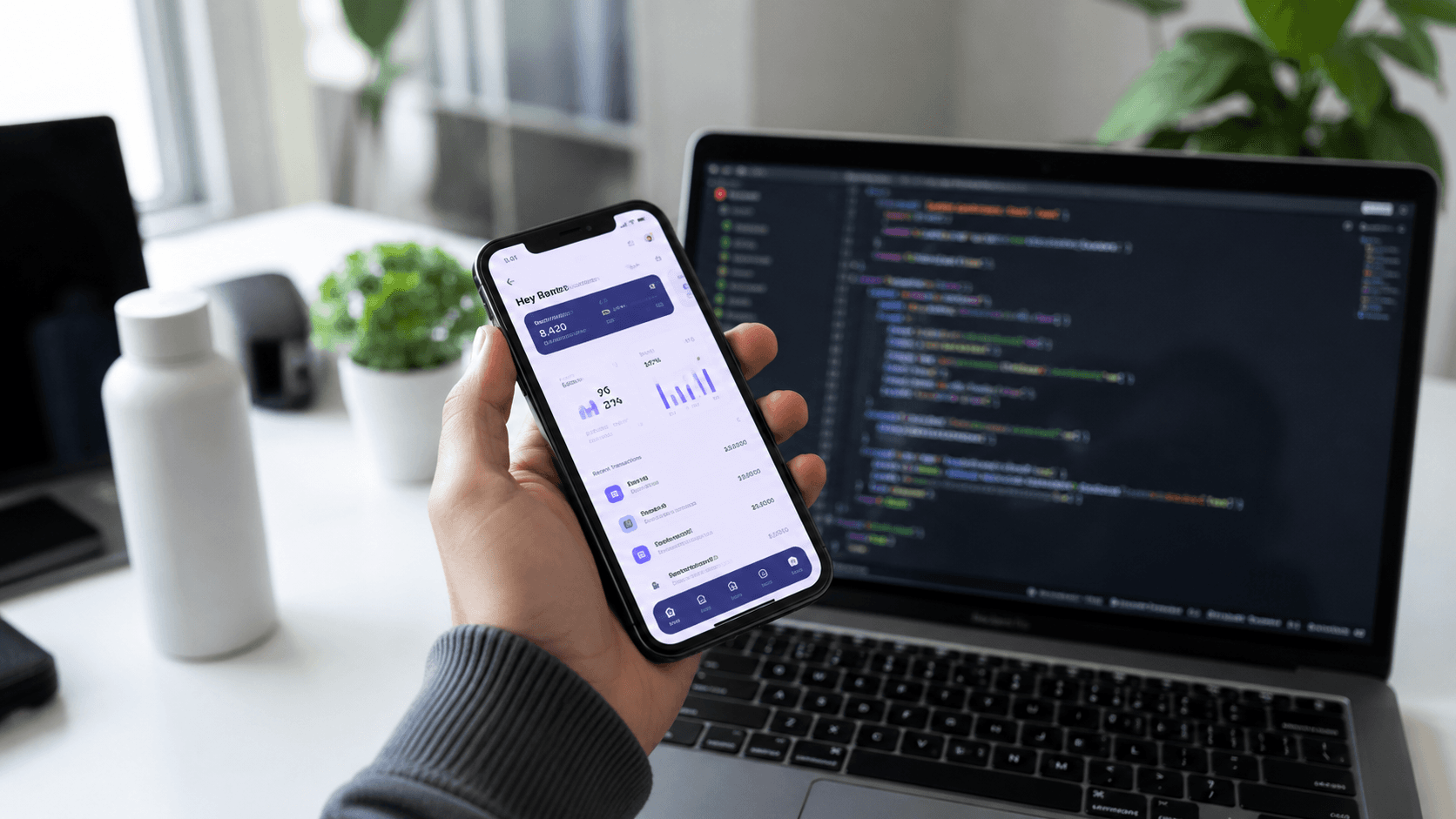
"I have an app idea" is a sentence we hear all the time. The path from that idea to a revenue-generating product live on the App Store and Google Play is clearer than most people think: 7 steps taken in the right order. In this guide we walk through each step, along with realistic timelines and cost ranges.
1. Validate the Idea (1-2 Weeks)
Before spending money on development, answer these three questions:
- Who will use it? Can you define your target audience in a single sentence?
- What problem does it solve? What do people do about this problem today?
- Why your app? What sets you apart from the existing alternatives?
Setting up a simple landing page and driving traffic to it with ads is the cheapest way to test your idea without spending thousands.
2. Cut the Scope Down to an MVP (1 Week)
The most common mistake: trying to cram every feature into the first release. An MVP (Minimum Viable Product) is the smallest product that proves the core of your idea. A practical rule: write down your feature list, then cross out half of it. Then cross out half of what remains. What's left is your MVP.
3. UI/UX Design (2-4 Weeks)
Users judge an app within the first 10 seconds. A good design process includes:
- User flows (which screen leads to which, and for what purpose)
- Wireframes (low-fidelity drafts)
- Visual design (brand colors, typography, component set)
- A clickable prototype — tested with real users before any code is written
4. Choosing the Technology
In 2026 there are two main routes:
- Cross-platform (React Native / Flutter): One codebase, iOS + Android together. Costs 30-40% less and ships faster. The right choice for the vast majority of apps.
- Native (Swift / Kotlin): Maximum performance and platform integration. Preferred for projects that need heavy graphics, AR, or hardware access.
The decision criterion is simple: unless you have a specific hardware or performance requirement, start with cross-platform.
5. Development and Testing (6-12 Weeks)
An MVP-scoped app is typically built in 6-12 weeks. During this phase, insist on:
- Weekly progress demos (finished screens, working features)
- Testing on real devices (emulators are not enough)
- Crash reporting and analytics infrastructure set up from day one
6. Store Release (1-2 Weeks)
The App Store and Google Play have different review processes, and getting rejected on the first submission is common. The privacy policy, data-use declarations, screenshots, and age rating all need to be prepared correctly. An experienced team knows the rejection reasons in advance and gets the submission approved on the first try.
7. Post-Launch: The Real Work Starts Now
Going live isn't the finish line — it's the starting point:
- Track user reviews and crash reports weekly
- Plan at least 2-3 updates within the first 3 months
- Update your roadmap based on analytics data
Realistic Cost Ranges (Turkey, 2026)
| Project Type | Price Range | Timeline |
|---|---|---|
| Simple MVP (single-platform logic, 5-8 screens) | 150.000 - 350.000 TL (TRY) | 6-10 weeks |
| Mid-scale app (accounts, payments, notifications) | 350.000 - 800.000 TL | 10-16 weeks |
| Full-scale platform (multi-role, real-time) | 800.000 TL+ | 4+ months |
The main factors driving these ranges: number of screens, backend complexity, third-party integrations (payments, maps, notifications), and how custom the design is.
What to Look For When Choosing an Agency
- Ask for their real apps live on the stores — and download them
- Get it in writing that code ownership transfers to you on delivery
- Clarify how their maintenance and update process works
- Ask upfront whether they work fixed-price or on a time-and-materials basis
At Senyo Labs, we build and run our own products (KuyumcuEkran, Birikiyo) live in the stores, so we have tested every step of this process on ourselves. Book a free intro call to discuss your app idea.